
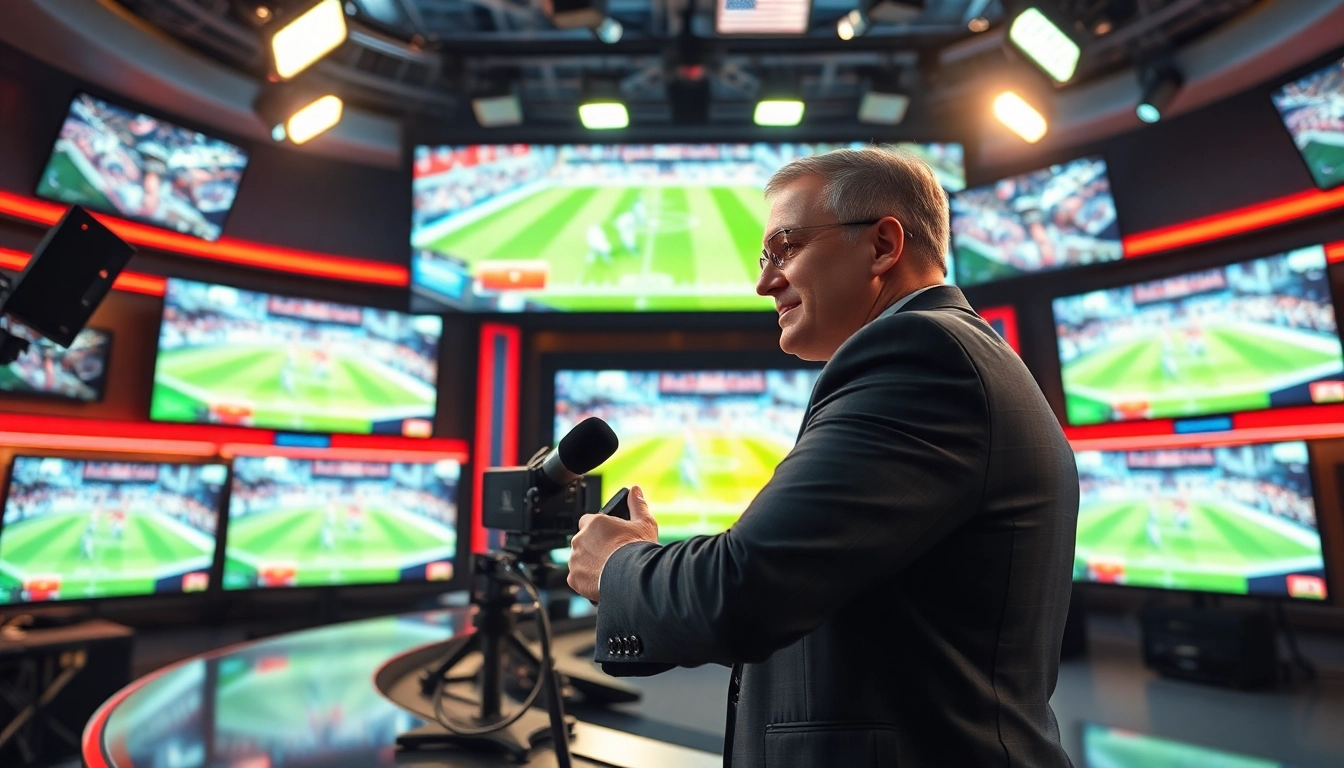
Mastering Sports Broadcasting: Strategies for Impactful Coverage
Understanding the Landscape of Sports Broadcasting
Sports Broadcasting has evolved significantly over the past few decades, becoming a cornerstone of sports culture and fan engagement worldwide. This landscape encompasses a myriad of formats, platforms, and technologies that cater to diverse audiences. From traditional television channels to streaming services and social media platforms, Sports Broadcasting creates immersive experiences for fans. Exploring this landscape involves understanding key definitions, roles, and audience engagement trends that shape the current broadcasting environment.
Defining Sports Broadcasting
Sports Broadcasting refers to the dissemination of sports-related content via various media outlets. This includes live coverage of events, analysis, commentary, interviews, and documentaries that cater to sports fans. The essence of sports broadcasting is to provide real-time insights, entertainment, and a deeper understanding of the game. With advancements in technology, the scope of what is considered broadcasting has expanded, incorporating digital strategies and interactive formats that engage viewers on multiple levels.
Key Roles in Sports Broadcasting
Sports broadcasting entails numerous roles that contribute to the successful delivery of content. Key roles include:
- Sports Anchors: The face of the broadcast, they present coverage and facilitate dialogue.
- Producers: They orchestrate the overall production, from planning segments to coordinating live feeds.
- Commentators: Provide real-time analysis and insights during broadcasts, enhancing the viewer experience.
- Cameramen: Capture the action from various angles, ensuring high-quality visual storytelling.
- Graphic Designers: Create on-screen visuals that support broadcasts, such as stats and highlights.
Each role is crucial for delivering a seamless viewer experience that captivates the audience and keeps them engaged throughout sporting events.
Audience Engagement Trends in Sports Broadcasting
The relationship between sports broadcasters and their audiences continues to evolve. Viewers are now more demanding than ever, seeking personalized and engaging content. The emergence of data analytics plays a pivotal role in understanding viewer preferences and shaping content delivery. Trends include enhanced interactivity through features like polls and social media engagement during broadcasts, virtual reality experiences for immersive viewing, and the growing popularity of multi-platform access, allowing fans to engage with content across various devices.
Technology’s Impact on Sports Broadcasting
Technology has revolutionized every aspect of sports broadcasting, reshaping how content is created, distributed, and consumed. From high-definition cameras to advanced analytics tools, technology enhances both production quality and viewer experience.
Innovative Broadcasting Tools and Software
Modern broadcasting relies heavily on innovative tools and software. Tools such as Augmented Reality (AR) and 360-degree video technology allow broadcasters to provide unique perspectives, making viewer engagement more dynamic. Software for editing and production helps in delivering timely highlights and analysis. Furthermore, cloud-based solutions are enabling broadcasting teams to collaborate remotely, streamlining the production process.
The Role of Social Media in Sports Broadcasting
Social media has become an integral part of sports broadcasting. Platforms like Twitter, Facebook, and Instagram serve as channels for real-time updates, fan interaction, and promotional content. Broadcasters leverage these platforms to engage audiences, build hype around events, and deliver short snippets of action that draw viewers to longer format broadcasts. The ability to create dialogue and foster communities around events significantly enhances viewer loyalty and engagement.
Enhancing Viewer Experience with Streaming Services
Streaming services have disrupted traditional sports broadcasting. Platforms such as ESPN+, DAZN, and others offer viewers flexibility to watch live events and on-demand content from any location. These services often come with additional features like customized notifications for favorite teams, interactive polls during live games, and multi-view options for watching multiple games simultaneously. As viewers increasingly prefer the convenience of streaming, broadcasters must adapt quickly to meet these demands.
Creating Compelling Content for Sports Broadcasting
Engaging content is at the heart of successful sports broadcasting. Creators must employ various techniques and strategies to connect with their audience effectively and leave a lasting impact.
Storytelling Techniques in Sports Broadcasting
Storytelling is a powerful technique in sports broadcasting, transforming mere statistics into compelling narratives. Broadcasters must go beyond relaying facts to capture emotions and convey the significance of games and events. Effective storytelling encompasses athlete backgrounds, team rivalries, and pivotal moments that resonate with viewers. This narrative-driven approach fosters a deeper connection between the audience and the sport.
Highlighting Athlete Profiles in Sports Broadcasting
Athlete profiles play a crucial role in sports broadcasting. Broadcasters should aim to deliver not just performance statistics, but also personal stories of athletes. Diving into their journeys, challenges, and triumphs creates relatability and boosts audience investment. Highlighting behind-the-scenes moments, training routines, and personal anecdotes can humanize athletes, drawing viewers into their world and enhancing fan loyalty.
Use of Statistics and Analytics in Sports Broadcasting
Statistics and analytics have become indispensable tools in sports broadcasting. Broadcasters leverage data to provide context and insights during live coverage and analysis. Infographics and real-time statistics enhance viewer comprehension and engagement, allowing fans to see the value of plays and strategies. Additionally, predictive analytics can forecast outcomes, engaging fans in a discussion about strategy and game dynamics.
Best Practices for Sports Broadcasting
Adhering to best practices in sports broadcasting is essential for maintaining quality and credibility. Broadcasters must be prepared to deliver their content professionally and ethically.
Preparing for Live Sports Coverage
Preparation is key to successful live sports coverage. This entails extensive research on teams, players, and game strategies, as well as rehearsing scripts and running through technical setups. Broadcasters must also prepare contingency plans for unexpected situations, ensuring seamless coverage regardless of challenges. Effective communication among team members allows for synchronized efforts during live events.
Ethics and Integrity in Sports Broadcasting
Maintaining ethics and integrity is vital in sports broadcasting. Broadcasters should provide truthful information, avoid conflicts of interest, and respect the dignity of all individuals involved in sports. Ethical journalism includes transparency regarding sources and avoiding sensationalism that could mislead audiences. Upholding these standards not only fosters trust with viewers but also enhances the credibility of the broadcasting profession.
Feedback and Continuous Improvement in Sports Broadcasting
Feedback from viewers and industry peers is essential for continuous improvement. Broadcasters should actively seek input regarding content quality, presentation style, and viewer satisfaction. Regular reviews and analysis of viewer engagement metrics can provide insights into what works and what needs refinement. Adapting based on constructive feedback ensures that broadcasters remain relevant and meet the evolving demands of their audience.
Future Trends in Sports Broadcasting
The landscape of sports broadcasting is ever-changing, influenced by technological advancements and shifting viewer preferences. Recognizing these trends is crucial for broadcasters aiming to stay at the forefront of the industry.
Adapting to Changes in Viewer Preferences
Viewers are increasingly gravitating towards personalized and on-demand content. Broadcasters must adapt to these changing preferences by providing content that caters to individual tastes. Offering options for customizing viewing experiences, such as multi-angle perspectives and interactive features, can enhance viewer satisfaction. Furthermore, engaging younger audiences through platforms they prefer—such as social media and mobile apps—can help broadcasters remain relevant in a competitive landscape.
Emerging Technologies Shaping Sports Broadcasting
Emerging technologies like artificial intelligence (AI) and machine learning are poised to revolutionize sports broadcasting. AI-driven analytics can streamline content creation and enhance real-time decision-making, while machine learning algorithms can help personalize content recommendations for viewers. Additionally, blockchain technology could ensure transparent transactions and secure content distribution. Staying abreast of these developments allows broadcasters to leverage technology for improved efficiency and engagement.
Environmental Sustainability in Sports Broadcasting
As global awareness around environmental issues grows, sports broadcasting must also diversify toward sustainability. Developing eco-friendly practices, such as reducing energy consumption and utilizing sustainable materials in production sets, contributes to a more responsible broadcasting model. Partnering with organizations that prioritize sustainability can also enhance the reputation of broadcasters while supporting meaningful initiatives. This forward-thinking approach not only appeals to environmentally conscious audiences, but can also positively impact the communities surrounding sporting events.
Frequently Asked Questions
What are the main forms of sports broadcasting?
Sports broadcasting mainly occurs through television, radio, online streaming, and social media platforms, providing diverse content delivery options.
How has technology changed sports broadcasting?
Technology has introduced innovations like high-definition streaming, virtual reality experiences, and real-time analytics, enhancing viewer engagement and content quality.
What role does storytelling play in sports broadcasting?
Storytelling in sports broadcasting captures audience emotions and connections, turning statistics and highlights into engaging narratives about athletes and events.
How can broadcasters ensure ethical reporting?
Broadcasters should adhere to ethical standards by providing accurate information, avoiding conflicts of interest, and respecting individuals’ dignity in their coverage.
What are future trends in sports broadcasting?
Future trends include personalized content delivery, AI-driven analytics, and a focus on environmental sustainability, adapting to changing viewer preferences.
